Nature Tours at the Wasserfallen
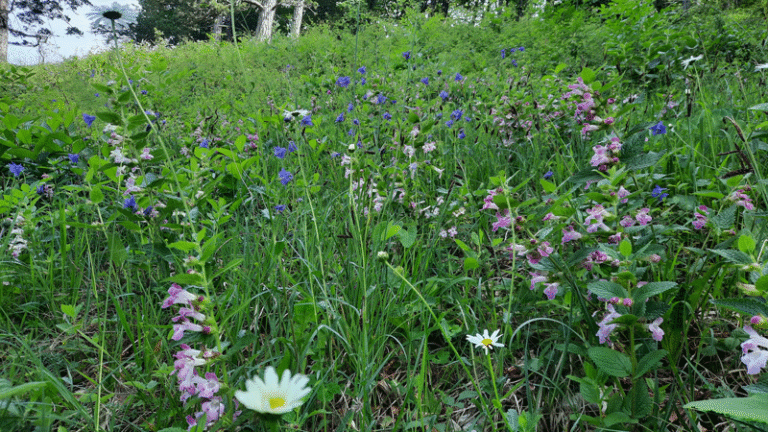
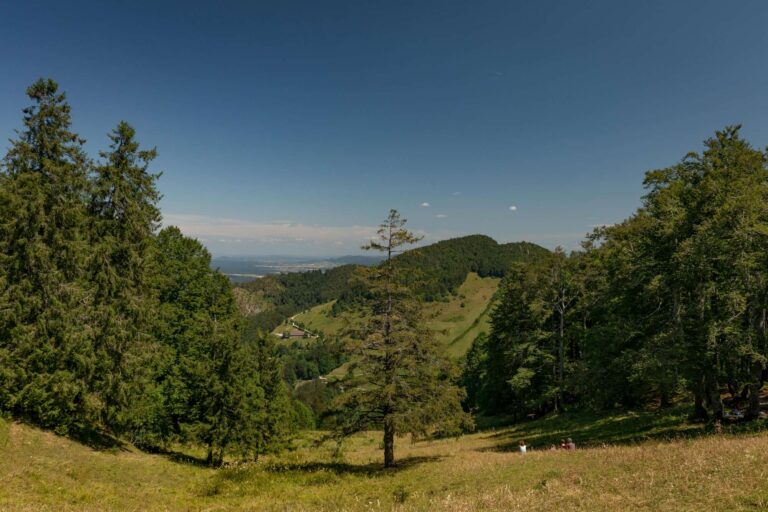
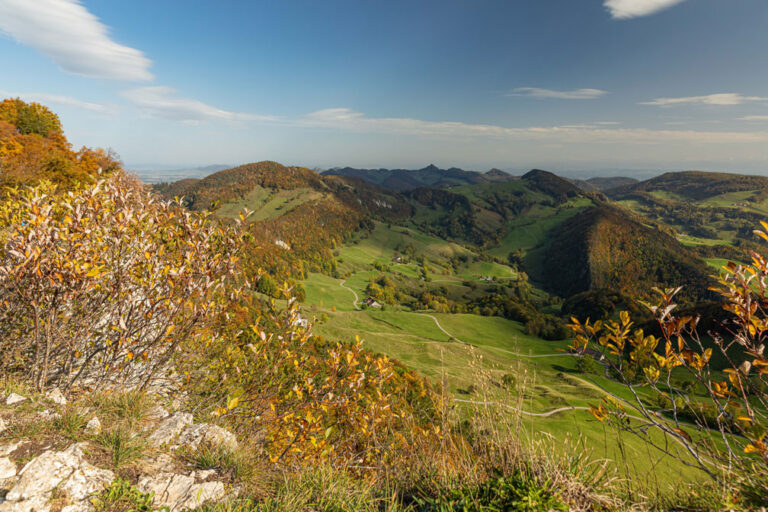
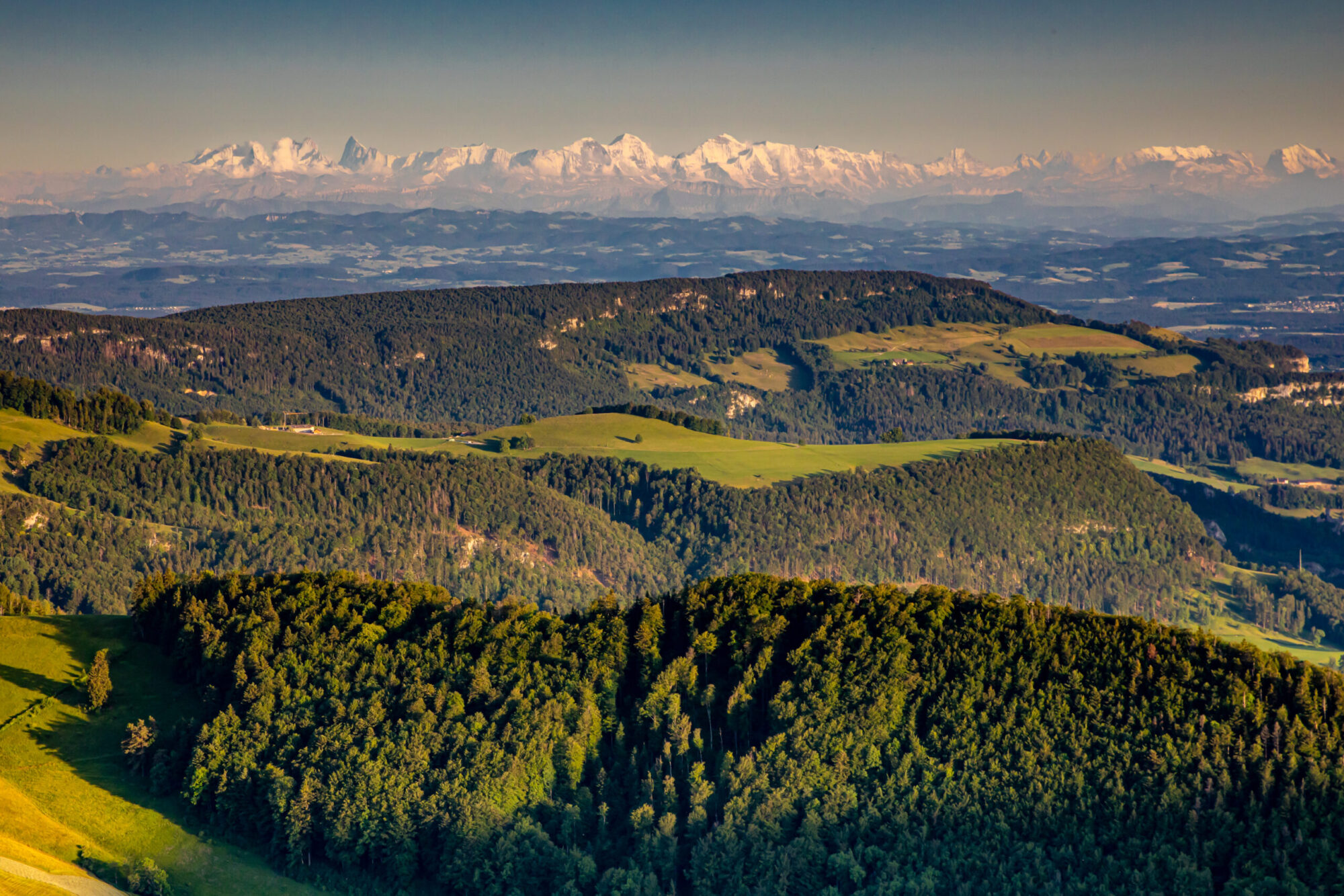
Nutrient-poor meadows, open forests, exposed rock ledges, and Jura pastures: Within a small area, habitats that have long since disappeared elsewhere coexist side by side here. In an hour and a half, an expert will show you what, at first glance, looks like a meadow but is actually one of the most species-rich areas in the Basel region.
Nature at Wasserfallen
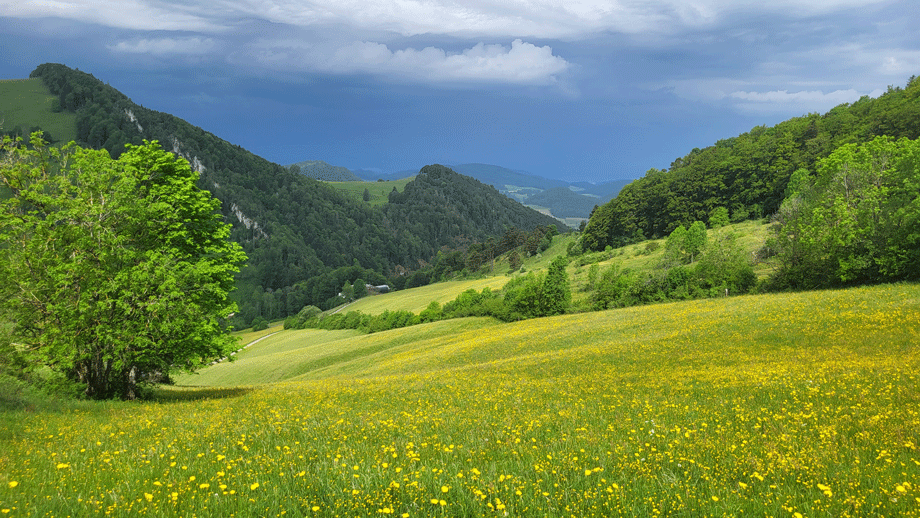
Wasserfallen is not a local recreation area where nature just happened to survive. What you see here is the result of centuries of management and deliberate conservation efforts. The Wasserfallen Foundation is responsible for this and manages several protected areas in the region.
One area, many habitats
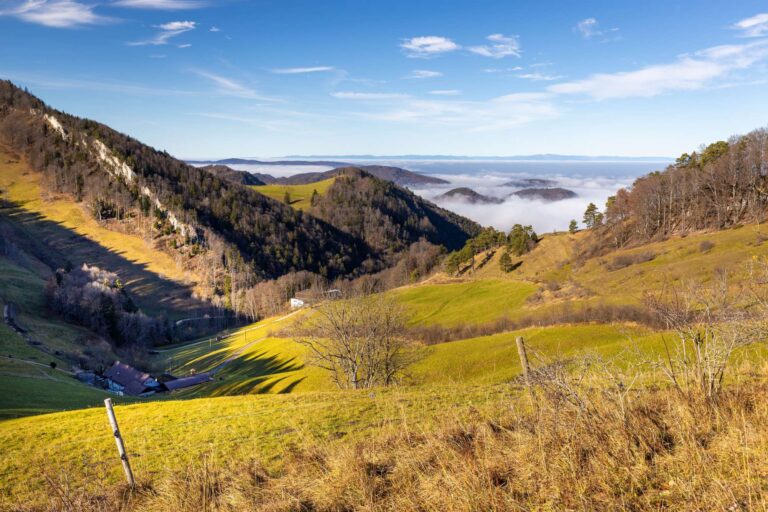
The protected areas are spread across several subregions: Gustberg and Sennberg, Goldbrunnen with Wildblick and Säuschwenki, the Vogelberg ridge, the Muniweid near the Waldweide, and the Hintere Wasserfallen. Each has its own distinct character, shaped by slope gradient, orientation, and soil depth.
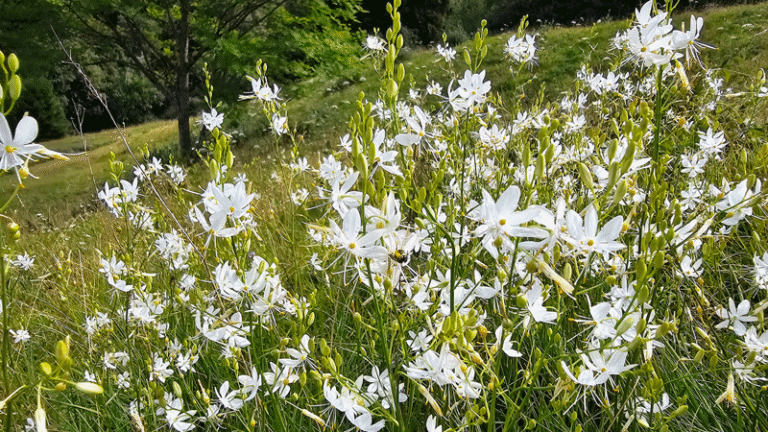
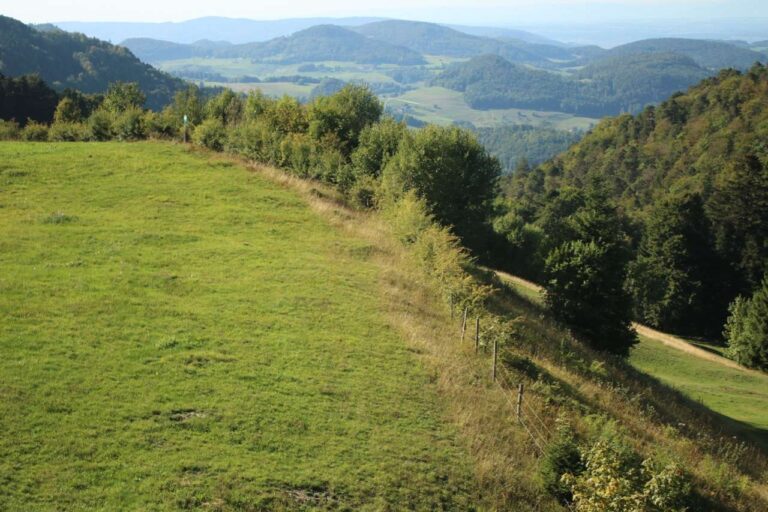
On the shallow-soiled southern slopes, nutrient-poor meadows with gentians and orchids thrive. In the open forests and along terraced forest edges lies the transition zone between forest and pasture—ecologically the most valuable zone of all. The exposed rocks provide habitat for species that require full sun and open rock surfaces.
Four species that are representative
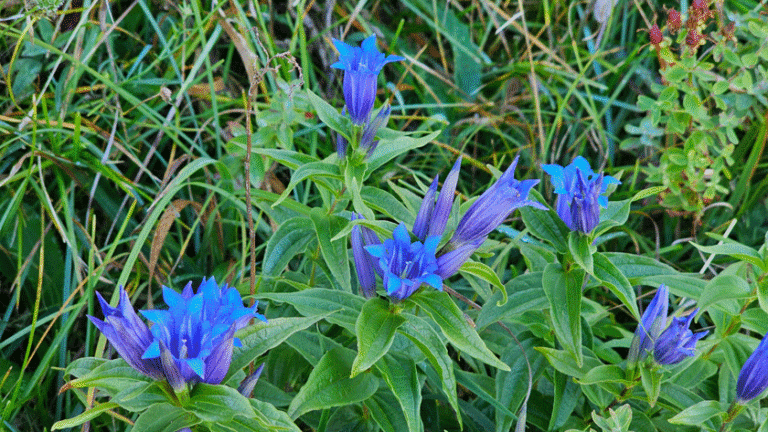
- The swallowwort gentian grows in poor, sunny soil and disappears as soon as fertilizer is applied.
- The woodlark nests on the ground and needs areas with short grass and open spaces, dotted with scattered shrubs, from which to sing.
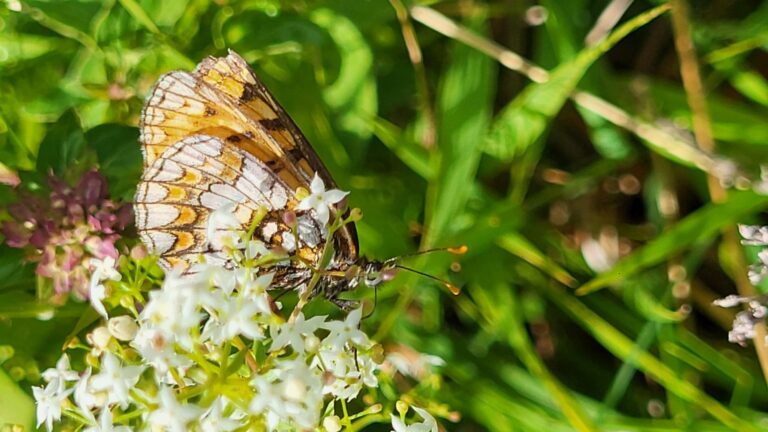
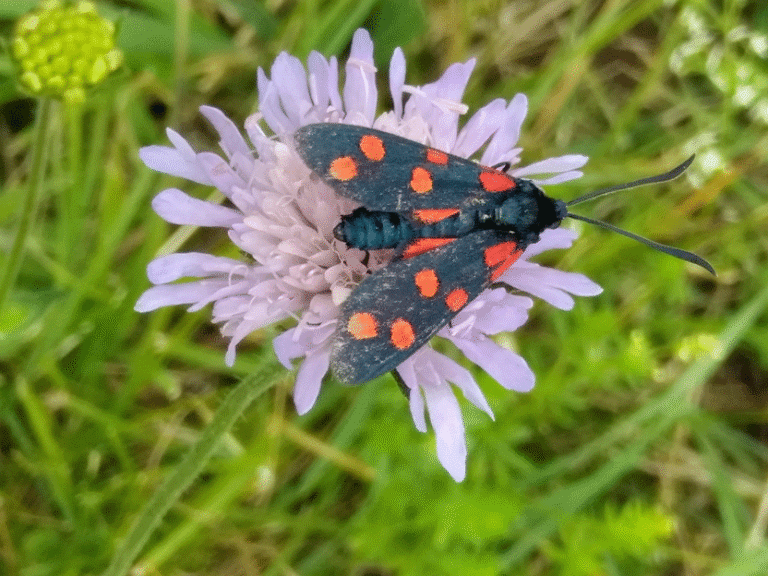
- The Mountain Crown Vetch Skipper is a diurnal butterfly whose caterpillars depend on a single plant: the sheathed crown vetch. If the plant is absent, the butterfly is absent.
- In addition, there are tree pipits, hazel grouse, and a number of other butterflies.
How the Areas Are Maintained
Between 2022 and 2025, a restoration project was carried out on approximately 150 hectares spanning the cantonal border between Basel-Landschaft and Solothurn. The project was supported by the Wasserfallen Foundation, in collaboration with the municipalities of Reigoldswil, Titterten, Ziefen, Waldenburg, and Mümliswil-Ramiswil, the Thal Nature Park, and the cable car company.
The measures may sound unspectacular, but they are crucial: meadows and pastures are mowed extensively and in stages, so that a portion is always left standing and insects can survive. Hedges and forest edges are maintained in sections rather than all at once. Forests are thinned, and forest edges are structured in tiers. Rocks are cleared of vegetation. In addition, small-scale structures such as piles of branches and stones, as well as newly created ponds, are added.
A second goal is connectivity. Isolated areas are of little use if species cannot migrate between them. Part of the work, therefore, involves restoring corridors.
How you can help
Stay on the marked trails, keep dogs on a leash, and leave plants undisturbed. On nutrient-poor meadows, a single step off the trail does no harm, but a thousand steps over the course of a season do. Visitor management is an explicit part of the conservation plan.
For more information about the foundation’s work, visit stiftung-wasserfallen.ch.